
Destination guide to Uganda, Kenya, Tanzania, and Rwanda

Planning a trip through East Africa’s most captivating countries? This destination guide for Uganda, Tanzania, Rwanda, and Kenya helps adventurous travelers and first-time visitors navigate the region’s incredible offerings. East Africa delivers some of the world’s best wildlife experiences, from Uganda’s mountain gorillas to Kenya’s Great Migration, plus rich cultural encounters you won’t find anywhere else.
This guide covers the top attractions and unique experiences in each country, so you’ll know exactly where to spend your time and budget. We’ll also break down transportation options between borders and highlight the local foods and cultural experiences that make each destination special. Get ready to discover why East Africa should be at the top of your travel bucket list.
Essential Travel Information for East African Countries

Visa Requirements and Entry Procedures for Each Nation
Uganda offers visa-on-arrival for most travelers, though applying online through the official e-visa portal saves time at border crossings. Single-entry tourist visas cost $50 and are valid for 90 days. Citizens from East African Community countries enter free with valid passports.
Tanzania requires visas for most nationalities, available on arrival for $50 (single entry) or $100 (multiple entry). The online visa system processes applications within 10 business days. Yellow fever vaccination certificates are mandatory when arriving from infected areas.
Rwanda has streamlined its entry process with 30-day visa-free access for all African citizens and many other nationalities. Non-exempt travelers pay $50 for tourist visas, available online or at entry points. The country’s digitized immigration system makes border crossings remarkably quick.
Kenya charges $51 for single-entry tourist visas, valid for three months. The eTA (electronic Travel Authorization) system replaced traditional visas in 2024, requiring advance online application. Multiple-entry visas cost $101 and allow stays up to six months total within a year.
All countries require passports valid for at least six months beyond arrival date with two blank pages for entry stamps. Travelers should carry proof of onward travel and sufficient funds for their stay.
Currency Exchange and Payment Methods
The regional currency landscape varies significantly across these four nations, each maintaining distinct monetary systems despite growing economic integration.
| Country | Currency | USD Exchange Rate | Payment Preferences |
|---|---|---|---|
| Uganda | Ugandan Shilling (UGX) | 1 USD ≈ 3,700 UGX | Cash preferred, mobile money widespread |
| Tanzania | Tanzanian Shilling (TZS) | 1 USD ≈ 2,500 TZS | USD widely accepted, cards in cities |
| Rwanda | Rwandan Franc (RWF) | 1 USD ≈ 1,300 RWF | Digital payments common, card-friendly |
| Kenya | Kenyan Shilling (KES) | 1 USD ≈ 150 KES | M-Pesa dominates, cards accepted |
Cash remains king in rural areas across all four countries. Major cities accept credit cards at hotels, restaurants, and tour operators, but smaller establishments prefer cash. ATMs are widely available in urban centers but scarce in remote regions.
Mobile money systems have revolutionized payments, particularly Kenya’s M-Pesa, Uganda’s Mobile Money, and Rwanda’s digital payment initiatives. Many local businesses prefer these systems over cash for security and convenience.
US dollars are accepted at tourist-focused businesses, especially in Tanzania and Uganda. Bring clean, recent bills (2009 or newer) as older or damaged notes are often rejected. Small denominations ($1, $5, $10) are useful for tips and small purchases.
Exchange strategies include using official forex bureaus for better rates than banks, avoiding airport exchanges when possible, and keeping receipts for reconversion when leaving.
Health and Safety Precautions
Vaccinations and Health Requirements:
Yellow fever vaccination is mandatory for entry from infected countries and recommended for all travelers. Other essential vaccines include hepatitis A and B, typhoid, and meningitis. Malaria prophylaxis is strongly recommended as all four countries have year-round transmission risks.
Medical Facilities:
Private hospitals in capital cities (Kampala, Nairobi, Kigali, Dar es Salaam) offer good care, but quality drops significantly in rural areas. Comprehensive travel insurance with medical evacuation coverage is essential. Pharmacies stock basic medications, but bring prescription drugs in original packaging.
Water and Food Safety:
Stick to bottled or properly purified water. Avoid ice cubes, raw vegetables, and uncooked foods from street vendors. Hot, freshly prepared meals are generally safe. Fruits you can peel yourself are typically fine.
Personal Security:
These countries are generally safe for tourists, but common-sense precautions apply. Avoid displaying expensive items, use hotel safes for valuables, and stick to well-lit areas after dark. Political demonstrations and large crowds should be avoided.
Wildlife Safety:
National parks require following guide instructions strictly. Maintain safe distances from animals, stay in vehicles when required, and never feed wildlife. Hippos and crocodiles pose significant risks near water bodies.
Emergency Services:
Save local emergency numbers in your phone. Police response varies by location, with better services in major cities. Tourist police units in popular destinations are generally helpful and English-speaking.
Best Times to Visit Each Destination
Uganda’s Climate Patterns:
The dry seasons (December-February and June-September) offer optimal conditions for gorilla trekking and wildlife viewing. Roads are more accessible, and hiking conditions are favorable. Wet seasons bring lush landscapes but challenging travel conditions, especially in mountainous regions.
Tanzania’s Seasonal Variations:
June through October represents peak season with excellent weather and prime wildlife viewing. The Great Migration occurs year-round but peaks during July-August river crossings. March-May rains can make some areas inaccessible but offer dramatic storm photography opportunities and fewer crowds.
Rwanda’s Year-Round Appeal:
Rwanda’s high altitude creates a temperate climate suitable for travel anytime. Dry seasons (December-February, June-September) are ideal for gorilla trekking with better hiking conditions and clearer mountain views. Rainy seasons still allow activities but require waterproof gear.
Kenya’s Diverse Regions:
Coastal areas enjoy warm weather year-round, with March-May and October-December being wettest. Safari regions are best during dry months (June-October, December-March) when animals concentrate around water sources. The wildebeest migration timing varies annually but typically peaks in July-October.
Regional Weather Considerations:
Mountain regions (Rwenzori, Kilimanjaro, Mount Kenya) have distinct microclimates with possible year-round snow at peaks. Lake regions maintain moderate temperatures but high humidity. Coastal areas are hot and humid with refreshing ocean breezes.
Crowd and Pricing Factors:
Peak seasons (July-August, December-January) bring higher prices and crowded attractions. Shoulder seasons offer excellent weather with better value and availability. Rainy seasons provide the lowest prices but require flexibility with itineraries.
Uganda’s Must-Visit Attractions and Experiences

Gorilla Trekking in Bwindi Impenetrable National Park
Bwindi stands as Uganda’s crown jewel, home to nearly half of the world’s remaining mountain gorillas. This UNESCO World Heritage site offers one of the most profound wildlife encounters on Earth. The park’s thick canopy shelters over 400 gorillas across 19 habituated families, each with distinct personalities and social dynamics.
Trek difficulty varies significantly depending on which family you track. Some groups stay close to the park boundaries, requiring just an hour’s walk, while others venture deep into the forest, demanding 6-8 hours of challenging hiking through steep terrain. The Mubare family, being the first habituated group, often provides easier access for visitors with mobility concerns.
Essential Booking Information:
| Permit Type | Price (USD) | Duration | Group Size |
|---|---|---|---|
| Gorilla Trekking | $800 | 1 hour with gorillas | 8 people max |
| Gorilla Habituation | $1,500 | 4 hours with gorillas | 8 people max |
Book permits at least 6 months in advance, especially for peak seasons (June-September, December-February). The habituation experience costs more but offers extended time observing gorillas as researchers work to familiarize them with human presence.
Pack waterproof gear, sturdy hiking boots, and gardening gloves for grabbing vegetation while navigating trails. Local porters cost $15-20 and prove invaluable for carrying equipment and providing assistance on difficult terrain.
Wildlife Safaris in Queen Elizabeth National Park
Queen Elizabeth National Park showcases Uganda’s incredible biodiversity across 1,978 square kilometers of savanna, wetlands, and forests. The park hosts 95 mammal species and over 600 bird species, making it East Africa’s most biodiverse protected area.
The Kazinga Channel boat safari ranks among Africa’s best wildlife viewing experiences. This 32-kilometer natural channel connecting Lake Edward and Lake George attracts massive concentrations of hippos, crocodiles, elephants, and buffalo. Early morning and late afternoon cruises offer the best photography opportunities as animals gather at the water’s edge.
Game Drive Sectors:
-
Kasenyi Plains: Prime location for lion prides and large elephant herds
-
Ishasha Sector: Famous for tree-climbing lions lounging in fig trees
-
Mweya Peninsula: Excellent for leopards and diverse antelope species
-
Kyambura Gorge: Home to chimpanzees and forest birds
The park’s unique geography creates distinct ecosystems within short distances. Crater lakes dot the landscape, each supporting different species. Lake Katwe, a salt lake, attracts thousands of flamingos during certain seasons, creating spectacular pink carpets across the water.
Night game drives reveal nocturnal hunters like leopards, hyenas, and servals. These drives require special permits and guides but offer chances to see species rarely spotted during daytime safaris.
Source of the Nile Adventures in Jinja
Jinja transforms from a quiet riverside town into East Africa’s adventure capital where the Nile begins its 6,650-kilometer journey to the Mediterranean. The source itself, marked by a simple monument on a small island, might seem underwhelming, but the surrounding activities more than compensate.
White-water rafting on the Nile delivers world-class thrills through Grade 3-5 rapids. The rapids have colorful names reflecting their character – “Big Brother,” “Itanda Falls,” and “Bujagali Falls” each present unique challenges. Full-day rafting trips include safety briefings, professional guides, and riverside barbecue lunches.
Adventure Activity Options:
| Activity | Difficulty | Duration | Best Season |
|---|---|---|---|
| White-water Rafting | Grade 3-5 | Full day | Year-round |
| Kayaking | Beginner-Expert | Half/Full day | Dry season |
| Bungee Jumping | All levels | 15 minutes | Year-round |
| Quad Biking | Beginner-Intermediate | 2-4 hours | Dry season |
Bungee jumping from a 44-meter platform over the Nile provides an adrenaline rush with spectacular views. The jump site sits directly above swirling rapids, adding extra excitement to the 3-second freefall.
For calmer experiences, sunset boat cruises reveal the Nile’s gentler side. These trips often include visits to local fishing villages where traditional methods remain unchanged for generations. Horseback riding along the riverbank offers another peaceful way to explore the area’s natural beauty.
Jinja’s proximity to Kampala (80 kilometers) makes it perfect for day trips, though staying overnight allows time to enjoy multiple activities and the town’s growing restaurant scene.
Tanzania’s Top Destinations and Activities
Serengeti National Park Safari Experiences
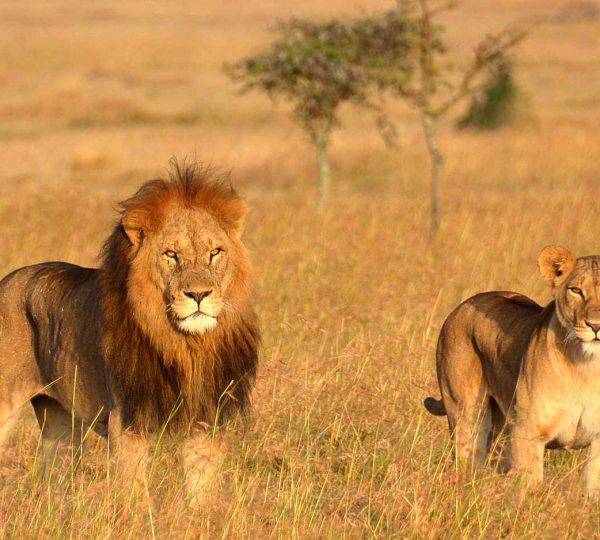
The Serengeti stretches endlessly before you, its golden grasslands dotted with acacia trees and teeming with wildlife that moves in ancient rhythms. This UNESCO World Heritage site spans 14,750 square kilometers and hosts the planet’s most spectacular wildlife migration. Between July and October, over two million wildebeest, zebras, and gazelles thunder across the plains in their eternal search for fresh grazing grounds.
Game drives here offer encounters with the Big Five – lions, leopards, elephants, buffalo, and rhinos. The park’s central Seronera area provides year-round wildlife viewing, where leopards lounge in sausage trees and lions gather at kopjes (rocky outcrops). Hot air balloon safaris at dawn reveal the landscape from above, floating silently over herds while the sun paints the sky in brilliant oranges and reds.
The park divides into distinct regions, each offering unique experiences:
-
Western Corridor: Best for river crossings during migration season
-
Northern Serengeti: Dramatic Mara River crossings from July to September
-
Central Serengeti: Excellent predator viewing year-round
-
Southern Plains: Calving season spectacle from January to March
Accommodation ranges from luxury safari lodges to mobile camps that follow the migration. Many visitors combine multi-day safaris with cultural visits to nearby Maasai villages, where traditional life continues alongside conservation efforts.
Mount Kilimanjaro Climbing Adventures
Africa’s highest peak rises majestically from the Tanzanian plains, its snow-capped summit beckoning adventurers from around the world. At 5,895 meters, Kilimanjaro challenges climbers with diverse ecosystems that change dramatically with elevation – from tropical rainforest at the base to arctic conditions at the summit.
Six established routes lead to Uhuru Peak, each offering different experiences and success rates:
| Route | Duration | Difficulty | Success Rate |
|---|---|---|---|
| Marangu | 5-6 days | Moderate | 65% |
| Machame | 6-7 days | Challenging | 85% |
| Lemosho | 7-8 days | Moderate-Challenging | 90% |
| Rongai | 6-7 days | Moderate | 75% |
| Northern Circuit | 8-9 days | Moderate | 95% |
| Umbwe | 6-7 days | Very Challenging | 60% |
The Machame route, known as the “Whiskey Route,” remains the most popular choice for its scenic beauty and good acclimatization profile. Climbers traverse through lush rainforests where colobus monkeys swing overhead, cross the otherworldly Shira Plateau, and navigate the challenging Barranco Wall before making the final summit push.
Preparation proves crucial for success. Training should begin months in advance, focusing on cardiovascular fitness and leg strength. Proper gear, including layered clothing systems and quality hiking boots, makes the difference between comfort and misery. Professional guide services provide porters, meals, and safety support throughout the journey.
Zanzibar Beach Escapes and Stone Town Culture
The Spice Island floats in the Indian Ocean like a tropical dream, where pristine white sand beaches meet turquoise waters and centuries of history whisper through narrow Stone Town alleyways. Zanzibar combines relaxation with cultural immersion in ways few destinations can match.
Stone Town, a UNESCO World Heritage site, captivates visitors with its labyrinthine streets and architectural fusion of Arab, Persian, Indian, and European influences. The House of Wonders stands as a testament to the island’s prosperous past, while the old slave market provides sobering reminders of darker chapters. Freddie Mercury’s birthplace draws Queen fans from worldwide, and the bustling Darajani Market overflows with spices that gave the island its nickname.
Zanzibar’s beaches cater to every preference:
-
Nungwi: Northern tip with vibrant nightlife and dhow building
-
Kendwa: Stunning sunsets and beach parties
-
Paje: Kitesurfing paradise with consistent trade winds
-
Jambiani: Laid-back village atmosphere with seaweed farming
-
Matemwe: Secluded luxury with coral reef snorkeling
Spice tours reveal the island’s agricultural heritage, where visitors can smell, taste, and touch cardamom, cinnamon, vanilla, and dozens of other aromatic plants. Traditional dhow cruises at sunset offer romantic escapes, while diving and snorkeling around Mnemba Atoll provide underwater adventures with dolphins, whale sharks, and colorful reef fish.
The island’s culinary scene blends African, Arab, and Indian flavors in dishes like biryani, urojo soup, and fresh seafood grilled with Zanzibar spices.
Ngorongoro Crater Wildlife Viewing
The world’s largest inactive volcanic caldera creates a natural amphitheater where wildlife thrives in extraordinary density. This 600-meter-deep crater spans 260 square kilometers and functions as a Noah’s Ark, harboring around 25,000 large animals in a self-contained ecosystem that has remained virtually unchanged for millennia.
Game drives in the crater feel like entering a lost world where predators and prey coexist in dramatic proximity. The crater floor supports one of Africa’s densest populations of lions, with over 60 individuals roaming the grasslands. Black rhinos, among Africa’s most endangered species, find sanctuary here with roughly 30 individuals calling the crater home.
The alkaline Lake Magadi attracts thousands of flamingos that create pink carpets across the water’s surface. Hippos wallow in permanent pools while elephants, buffalo, and various antelope species graze the fertile grasslands. The Lerai Forest provides shade and browse for elephants and serves as a hunting ground for leopards.
Wildlife viewing follows predictable patterns throughout the day. Early morning drives offer the best predator activity as cats hunt in cooler temperatures. Midday brings animals to water sources, while late afternoon provides excellent photography opportunities with dramatic lighting against the crater walls.
The crater rim offers spectacular viewpoints and luxury lodges perched on the edge, providing panoramic views across this natural wonder. Many visitors combine crater visits with cultural experiences at nearby Maasai villages, where traditional pastoralism continues within the conservation area boundaries.
Rwanda’s Unique Tourism Offerings
Mountain Gorilla Encounters in Volcanoes National Park
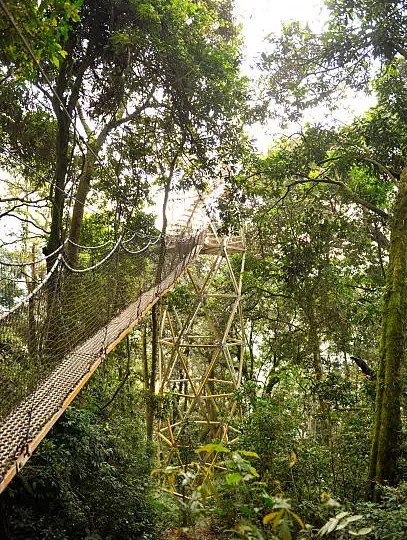
Tracking mountain gorillas in Rwanda’s Volcanoes National Park ranks among the most extraordinary wildlife experiences on Earth. This pristine bamboo forest, part of the greater Virunga ecosystem, protects over 300 mountain gorillas across several habituated family groups. Each gorilla family has distinct personalities and dynamics, from playful juveniles to massive silverback leaders weighing up to 440 pounds.
The experience begins with an early morning briefing at park headquarters, where rangers assign you to one of ten gorilla families based on your fitness level and hiking preferences. Some families live just 30 minutes from the trailhead, while others require challenging three-hour treks through dense vegetation and steep volcanic slopes. Rangers use radio communication to track the gorillas’ overnight nesting sites, dramatically increasing your chances of successful encounters.
Once you locate your assigned family, you’ll spend exactly one hour observing these gentle giants as they feed, groom, play, and interact just meters away. The emotional impact is profound – watching a mother gorilla tenderly care for her infant or witnessing playful juveniles tumble through the undergrowth creates lasting memories. Photography is permitted without flash, and guides help position you for optimal viewing angles.
Booking and Permits:
-
Gorilla permits cost $1,500 per person
-
Book 6-12 months in advance through Rwanda Development Board
-
Maximum 8 visitors per gorilla family daily
-
Minimum age requirement: 15 years
Kigali City Tours and Genocide Memorial Sites
Kigali showcases Rwanda’s remarkable transformation into one of Africa’s cleanest, safest, and most organized capitals. The city’s tree-lined boulevards, modern infrastructure, and vibrant cultural scene reflect the nation’s commitment to progress and reconciliation following the 1994 genocide.
The Kigali Genocide Memorial serves as both a moving tribute to victims and an educational center about the genocide’s causes and consequences. The memorial’s three permanent exhibitions chronicle Rwanda’s history before 1994, detail the genocide’s 100-day timeline, and explore global genocide patterns. The children’s room proves particularly powerful, displaying photographs, favorite toys, and final words of young victims. Outside, mass graves contain remains of over 250,000 people, while beautiful memorial gardens provide peaceful reflection spaces.
Beyond memorial sites, Kigali offers diverse cultural attractions. The Inema Arts Center displays contemporary Rwandan artwork and hosts live music performances. Local markets like Kimironko burst with colorful fabrics, handcrafted baskets, and aromatic spices. The Presidential Palace Museum preserves the residence where President Habyarimana lived before his assassination triggered the genocide.
City Tour Highlights:
-
Kigali Genocide Memorial (entry: $10)
-
Inema Arts Center and galleries
-
Kimironko Market for authentic shopping
-
Mount Bisoke hiking trails with panoramic views
-
Modern coffee shops serving locally grown beans
Lake Kivu Relaxation and Water Activities
Lake Kivu stretches along Rwanda’s western border, offering a tropical paradise with sandy beaches, crystal-clear waters, and stunning mountain backdrops. This massive freshwater lake provides the perfect counterbalance to gorilla trekking adventures, with laid-back resort towns and endless water-based activities.
Gisenyi (Rubavu) anchors the northern lakeshore with colonial-era charm and upscale accommodations. The town’s palm-fringed beaches rival any coastal destination, while lakefront bars serve fresh tilapia and cold Mutzig beer as the sun sets over distant Congolese mountains. Water temperatures remain comfortable year-round, making swimming and water sports enjoyable in any season.
Kayaking ranks among Lake Kivu’s most popular activities, with guided tours exploring hidden coves, fishing villages, and bird-rich wetlands. Stand-up paddleboarding lessons cater to beginners, while experienced paddlers can embark on multi-day expeditions camping on remote islands. Boat trips visit local fishing communities where traditional wooden vessels called “amatotos” still provide livelihoods for thousands of families.
The southern town of Kibuye offers a quieter alternative with boutique lodges perched on hillsides overlooking the water. Here, you can cycle through coffee plantations, visit cooperative farms producing some of Rwanda’s finest beans, or simply unwind on private beach terraces.
Water Activities:
-
Kayak rentals: $15-25 per day
-
Boat tours: $30-50 per person
-
Stand-up paddleboard lessons: $20 per hour
-
Fishing expeditions with local guides
-
Island hopping day trips
Kenya’s Premier Travel Destinations
Maasai Mara Game Reserve Safari Tours
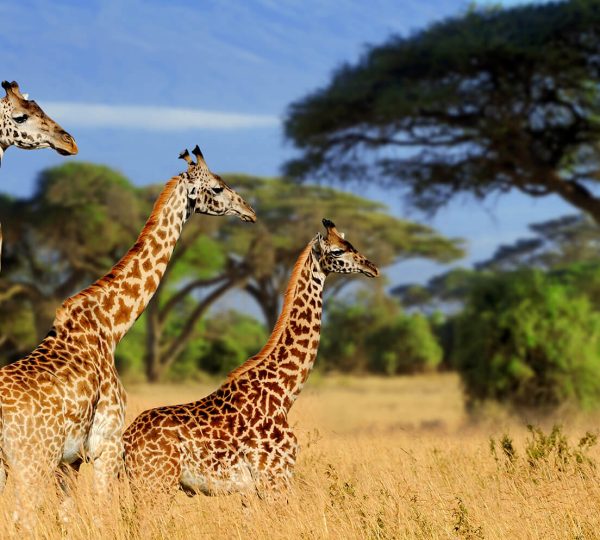
The Maasai Mara stands as Kenya’s crown jewel, offering some of Africa’s most spectacular wildlife viewing opportunities. This world-renowned reserve becomes the stage for the Great Migration between July and October, when over two million wildebeest, zebras, and gazelles thunder across the plains from Tanzania’s Serengeti. Game drives reveal the Big Five – lions, leopards, elephants, buffalo, and rhinos – while cheetahs sprint across the golden grasslands in pursuit of prey.
Safari lodges range from luxury tented camps to budget-friendly options, each providing front-row seats to nature’s greatest show. Hot air balloon safaris offer breathtaking aerial perspectives of the vast savannah at sunrise, followed by champagne breakfasts in the wilderness. Cultural visits to authentic Maasai villages provide insights into traditional pastoralist life, where warriors demonstrate spear throwing and fire-making techniques while women showcase intricate beadwork.
Coastal Attractions in Mombasa and Diani Beach
Kenya’s Indian Ocean coastline delivers pristine white sand beaches, turquoise waters, and rich Swahili culture. Mombasa, the ancient port city, blends Arab, Persian, and African influences in its narrow streets and coral stone architecture. Fort Jesus, a UNESCO World Heritage site built by Portuguese colonizers in 1593, overlooks the old harbor where dhows still sail with the monsoon winds.
Diani Beach stretches for 25 kilometers of powder-soft sand backed by coconut palms and baobab trees. The coral reef provides excellent snorkeling and diving, with sea turtles, dolphins, and tropical fish inhabiting the warm waters. Kite surfing and windsurfing thrive in the consistent trade winds, while glass-bottom boat trips reveal underwater gardens without getting wet.
| Activity | Best Time | Duration | Difficulty |
|---|---|---|---|
| Snorkeling | Year-round | 2-3 hours | Beginner |
| Diving | Nov-Apr | Full day | Intermediate |
| Kite surfing | Dec-Mar, Jun-Sep | Half day | Advanced |
| Dhow sailing | Nov-Apr | 3-4 hours | Beginner |
Amboseli National Park Elephant Viewing
Amboseli offers unmatched elephant encounters against the dramatic backdrop of Mount Kilimanjaro. The park’s 400 elephants roam freely across acacia woodlands and seasonal swamps, creating perfect photography opportunities. These gentle giants have become accustomed to vehicles, allowing for close observations of their complex social behaviors and family dynamics.
The dry season from June to October concentrates wildlife around permanent water sources, making animal spotting easier. Observation Hill provides panoramic views of the entire ecosystem, while the Maasai communities surrounding the park offer authentic cultural experiences. Research stations conduct ongoing elephant studies, and visitors can learn about conservation efforts protecting these magnificent creatures.
Nairobi Urban Experiences and Wildlife Sanctuaries
Kenya’s capital city uniquely combines urban sophistication with accessible wildlife experiences. Nairobi National Park sits just seven kilometers from the city center, where giraffes graze against a skyline backdrop. The David Sheldrick Wildlife Trust rescues orphaned elephants and rhinos, offering daily viewing sessions where baby elephants play and mud-bathe under expert care.
Karen Blixen Museum preserves the colonial-era farmhouse of the “Out of Africa” author, while the adjacent Giraffe Centre allows face-to-face encounters with endangered Rothschild giraffes. Local markets like Maasai Market showcase authentic crafts and artwork, and restaurants serve everything from traditional nyama choma (grilled meat) to international cuisine.
Mount Kenya Hiking and Adventure Sports
Africa’s second-highest peak challenges adventurers with multiple climbing routes through diverse ecosystems. The technical routes to Point Lenana (4,985m) require mountaineering skills, while trekking paths like Sirimon and Chogoria offer spectacular scenery without technical difficulty. Alpine vegetation gives way to glacial peaks, creating unique photographic opportunities.
Rock climbing on the mountain’s volcanic plugs attracts serious climbers, while the surrounding conservancies offer horse riding safaris and trout fishing in crystal-clear streams. Mountain lodges provide comfortable bases for multi-day adventures, and local guides share knowledge about endemic plants and high-altitude wildlife adaptations.
Transportation and Logistics Across the Region
Inter-Country Travel Options and Border Crossings
Flying between East African countries offers the most convenient option, with regional carriers like RwandAir, Kenya Airways, and Ethiopian Airlines providing regular connections. Direct flights link major cities like Nairobi, Kigali, Kampala, and Dar es Salaam, typically taking 1-3 hours between destinations.
Overland travel presents more adventurous options but requires patience. The Northern Corridor connects Kenya and Uganda via the Malaba or Busia border crossings, both operational 24/7 with streamlined East African Community procedures. The journey from Nairobi to Kampala takes 12-15 hours by bus with companies like Modern Coast and Buscar offering comfortable services.
Rwanda connects to Uganda through the Katuna/Gatuna border, a smooth 4-hour drive from Kampala to Kigali. The Cyanika border provides an alternative route through spectacular mountain scenery. Tanzania links to Kenya via Namanga (most popular) or Taveta borders, while the Sirari/Isebania crossing connects Tanzania to Kenya’s western regions.
Border procedures have simplified significantly with the East African tourist visa allowing multiple entries across Kenya, Rwanda, and Uganda for $100. Tanzania requires separate visa arrangements, available online or at borders for most nationalities.
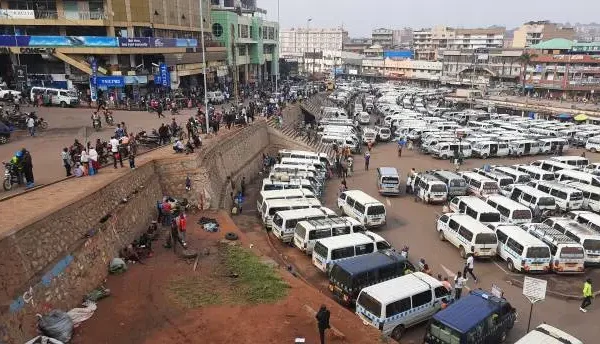
Bus travel dominates inter-country transport with reliable operators offering varying comfort levels. Premium services include Jaguar Executive (Kenya-Uganda), Volcano Express (Rwanda-Uganda), and Dar Express (Tanzania-Kenya) featuring air conditioning, entertainment systems, and meal stops.
Domestic Transportation Methods in Each Country
Uganda’s Transportation Landscape
Boda bodas (motorcycle taxis) dominate short-distance travel in Uganda, perfect for navigating traffic but requiring caution and helmets. Matatus (shared minibuses) connect cities and towns affordably, though comfort varies significantly. For tourist destinations, private car hire with drivers offers flexibility and local knowledge, especially valuable for reaching remote national parks.
Flying domestically saves time for distant locations like Bwindi Impenetrable Forest, Murchison fall NP, Kidepo Valley, with operators like Aerolink Uganda, BAR providing scheduled and charter services to major parks and airstrips.
Tanzania’s Travel Options
The extensive bus network reaches virtually every destination, from luxury coaches between major cities to local dala dalas for shorter routes. Train services operate on limited routes, including the famous TAZARA railway connecting Dar es Salaam to Zambia through spectacular landscapes.
Safari circuits typically use 4WD vehicles with pop-up roofs for game viewing. Coastal ferry services connect Dar es Salaam to Zanzibar multiple times daily, offering both standard and VIP classes for the 2-hour journey.
Rwanda’s Efficient Systems
Rwanda boasts East Africa’s most organized transport network. Modern buses connect all provinces with fixed schedules and standardized fares. Kigali’s city buses operate on set routes with cashless payment systems.
Motorcycle taxis require helmets and follow strict regulations. Car rentals include excellent road infrastructure, making self-driving feasible for experienced travelers.
Kenya’s Diverse Transport
Matatus remain the backbone of public transport, recently upgraded with safety features and digital payment systems. The Standard Gauge Railway connects Nairobi to Mombasa in under 5 hours, offering modern comfort and spectacular scenery.
Domestic flights reach Masai Mara, Amboseli, and coastal destinations efficiently. Tuk-tuks serve urban areas while boda bodas handle rural connectivity.
Accommodation Booking Strategies and Options
Peak season booking (June-September and December-January) requires 3-6 months advance planning, especially for popular safari lodges and Zanzibar beach resorts. Shoulder seasons offer 30-50% savings with better availability.
Booking Platform Comparison
| Platform | Strengths | Best For |
|---|---|---|
| Booking.com | Widest selection, easy cancellation | Urban hotels, mid-range options |
| Safari Bookings | Safari specialist, local expertise | Game lodges, safari packages |
| Airbnb | Unique properties, local experiences | Extended stays, group travel |
| Direct booking | Best rates, personalized service | Luxury lodges, special requests |
Accommodation Categories by Country
Uganda offers diverse options from budget backpacker hostels in Kampala to exclusive safari lodges near Bwindi. Community-run eco-lodges provide authentic experiences while supporting conservation efforts. Lake Bunyonyi features unique island accommodations accessible only by boat.
Tanzania ranges from Kilimanjaro base camp huts to Serengeti’s mobile tented camps following migration patterns. Zanzibar’s historic Stone Town boutique hotels occupy restored buildings, while beach resorts offer international standards with local character.
Rwanda emphasizes eco-luxury with high-end lodges near Volcanoes National Park commanding premium prices. Kigali’s business hotels cater to conference travelers, while community tourism initiatives offer homestay experiences in rural areas.
Kenya provides extensive variety from Nairobi’s international hotel chains to Masai Mara’s luxury tented camps. Coastal options include all-inclusive resorts and intimate boutique properties along pristine beaches.
Smart booking involves comparing prices across platforms, reading recent reviews for accurate conditions, and understanding cancellation policies given potential travel disruptions. Many safari lodges include meals and activities, making total value comparisons essential beyond nightly rates.
Cultural Experiences and Local Cuisine
Traditional Festivals and Cultural Events
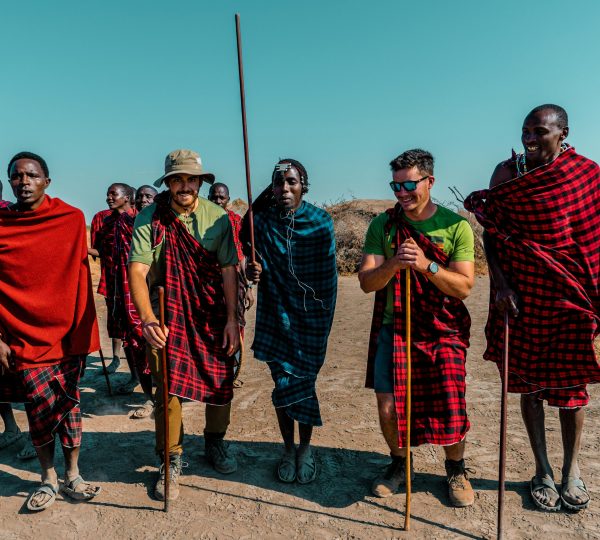
East Africa pulses with vibrant celebrations that showcase centuries-old traditions. In Uganda, the Buganda Kingdom’s cultural festivals like the Buganda Cultural Week offer visitors authentic glimpses into royal ceremonies, traditional music, and ancient customs. The annual Nyege Nyege Festival has become a modern cultural phenomenon, blending contemporary African music with traditional rhythms.
Tanzania celebrates the Saba Saba Festival each July, commemorating independence with colorful parades, traditional dances, and local artisan displays. The Mwaka Kogwa festival in Zanzibar presents a unique New Year celebration where locals engage in ritualistic fighting followed by feasting and community bonding.
Rwanda’s Kwita Izina gorilla naming ceremony draws international attention while honoring conservation efforts through traditional song and dance. The Umuganura harvest festival celebrates agricultural abundance with community gatherings and ancestral ceremonies.
Kenya’s cultural calendar features the spectacular Maasai Cultural Festival, where warriors demonstrate traditional jumping dances, spear throwing, and cattle herding skills. The Lamu Cultural Festival transforms the ancient island into a celebration of Swahili heritage with dhow races, donkey races, and poetry competitions.
Each country hosts numerous regional festivals celebrating specific ethnic groups. The Karamojong Cultural Festival in northeastern Uganda, the Makonde Cultural Festival in southern Tanzania, and various tribal celebrations across Kenya provide intimate encounters with diverse African cultures.
Local Food Specialties and Dining Recommendations
East African cuisine reflects the region’s diverse cultures, geography, and historical influences. Each country offers distinctive flavors that tell stories of trade routes, colonial histories, and agricultural abundance.
Uganda’s Culinary Landscape
Ugandan cuisine centers around hearty staples like matoke (steamed green bananas), posho (cornmeal), and rice. Luwombo, a traditional dish of meat or chicken steamed in banana leaves with groundnut sauce, represents Uganda’s most celebrated culinary creation. Street food culture thrives with rolex (chapati rolled with eggs and vegetables) serving as the country’s beloved fast food.
Tanzania’s Diverse Flavors
Tanzanian food blends mainland African traditions with Zanzibar’s aromatic spice heritage. Ugali (cornmeal porridge) accompanies most meals, often served with sukuma wiki (collard greens) and nyama choma (grilled meat). Zanzibar’s pilau rice, infused with cardamom, cinnamon, and cloves, reflects centuries of Arab and Indian influence. Coastal areas specialize in fresh seafood curries and coconut-based dishes.
Rwanda’s Traditional Cuisine
Rwandan food emphasizes simplicity and nutrition. Ubugali (sorghum porridge), ibirayi (potatoes), and beans form dietary foundations. Igikoma, a traditional stew combining meat with vegetables, showcases local cooking techniques. The country’s coffee culture deserves special attention – Rwanda produces some of Africa’s finest single-origin beans.
Kenya’s Culinary Diversity
Kenyan cuisine varies dramatically by region. Coastal areas feature Swahili influences with dishes like biryani and samosas. Inland regions favor nyama choma paired with ugali and sukuma wiki. Kenyan tea culture runs deep, with chai prepared using milk, sugar, and aromatic spices served throughout the day.
| Country | Must-Try Dish | Best Dining Experience | Popular Beverage |
|---|---|---|---|
| Uganda | Luwombo | Local family restaurants | Waragi (banana gin) |
| Tanzania | Zanzibar Pizza | Stone Town food tours | Coffee or chai |
| Rwanda | Igikoma | Community dining halls | Rwandan coffee |
| Kenya | Nyama Choma | Local nyama choma joints | Chai or Tusker beer |
Shopping for Authentic Crafts and Souvenirs
East Africa’s artisan traditions produce exceptional handcrafted items that make meaningful souvenirs and support local communities. Each country specializes in particular crafts reflecting cultural heritage and available materials.
Uganda’s Artisan Scene
Kampala’s craft markets overflow with banana fiber products, traditional bark cloth, and intricate beadwork. The Uganda Crafts 2000 shop in Kampala offers quality-assured items directly from artisan cooperatives. Kisoro’s volcanic stone carvings and traditional pottery from pottery villages near Lake Victoria make unique purchases.
Tanzania’s Craft Heritage
Tanzanian crafts span from Maasai beadwork to Makonde ebony wood carvings. The Tingatinga painting style, featuring colorful animal motifs, originated in Tanzania and makes popular wall art. Arusha’s Cultural Heritage Centre showcases premium crafts, while local markets offer budget-friendly options. Zanzibar’s spice markets sell locally grown cardamom, cinnamon, and vanilla.
Rwanda’s Artisan Excellence
Rwanda’s basket weaving tradition produces the famous Agaseke baskets, featuring intricate geometric patterns and natural dyes. These UNESCO-recognized crafts represent Rwanda’s cultural identity. Kigali’s Kimisagara Market and Inema Arts Center offer diverse selections. Coffee remains Rwanda’s premium export – purchasing directly from cooperatives supports local farmers.
Kenya’s Craft Diversity
Kenya’s craft markets feature soapstone carvings from Kisii, Maasai jewelry, and Kikoy fabrics. Nairobi’s Maasai Markets rotate locations daily, offering authentic items at negotiable prices. The Kenya Cultural Centre provides fixed-price shopping for those preferring structured environments. Kazuri Beads factory tours combine shopping with cultural education.
Shopping tips across the region include visiting local cooperatives for fair-trade purchases, learning basic bargaining phrases in local languages, and understanding that patience yields better prices and authentic items.

East Africa offers some of the most incredible travel experiences on the continent, from Uganda’s mountain gorillas and Murchison Falls to Tanzania’s Serengeti safaris and Zanzibar’s pristine beaches. Rwanda captivates visitors with its remarkable genocide memorials and successful conservation efforts, while Kenya delivers classic African adventures through Masai Mara game drives and vibrant Nairobi culture. Each country brings its own flavor of local cuisine, traditional music, and warm hospitality that makes every interaction memorable.
Planning a multi-country trip across Uganda, Tanzania, Rwanda, and Kenya might seem overwhelming, but the shared borders and improving infrastructure make it totally doable. Start with one country that excites you most, then build your itinerary around seasonal wildlife movements and weather patterns. Book your gorilla permits early, pack layers for varying altitudes, and leave room in your schedule for those spontaneous moments that become the best travel stories. This region will change how you see the world – the question isn’t whether you should go, but which adventure you’ll choose first.


https://shorturl.fm/Cl4ic