
Smart Travel Tips: The Ultimate Guide to Planning, Packing & Saving
travel tips
Smart travel tips can transform your vacation from stressful to seamless, saving you money and headaches along the way. This guide helps both first-time travelers and seasoned adventurers who want to travel smarter, not harder.
We’ll cover the essential pre-trip planning steps that prevent common travel disasters, plus smart packing strategies that keep you organized without overpacking. You’ll also discover proven money-saving hacks that can cut your travel costs significantly without sacrificing the fun.
Pre-Trip Planning Essentials
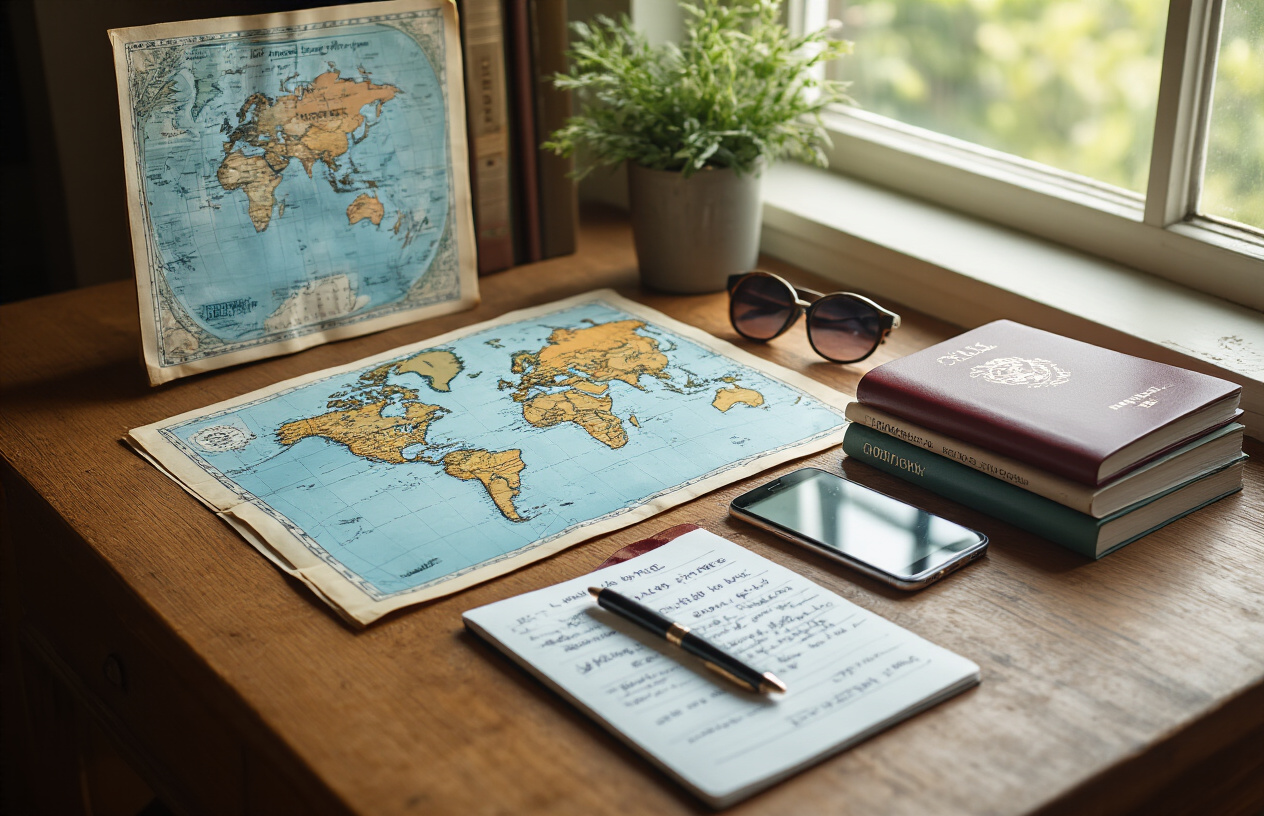
Research your destination’s weather and cultural norms
Weather patterns can make or break your trip, so check seasonal variations for your travel dates. Look beyond basic temperature ranges – understand humidity levels, monsoon seasons, and typical daily weather changes. Mountain destinations might be sunny during the day but freezing at night, while coastal areas could have sudden afternoon thunderstorms.
Cultural research prevents awkward situations and shows respect for locals. Learn basic customs around greetings, dining etiquette, and appropriate dress codes. Some countries require modest clothing in religious sites, while others have specific rules about removing shoes indoors. Understanding tipping practices, bargaining expectations, and business hours helps you navigate daily interactions smoothly.
Use multiple sources for accurate information: government travel advisories, recent traveler reviews, and local tourism boards. Weather apps showing historical data give better insights than simple forecasts. Cultural blogs written by locals or long-term expats often provide nuanced perspectives you won’t find in guidebooks.
Book accommodations and transportation in advance
Early booking saves money and guarantees availability, especially during peak seasons or major events. Compare prices across multiple platforms, but book directly with hotels, when possible, they often match lower prices and provide better customer service if issues arise.
Transportation booking depends on your destination and travel style. Flights typically offer better deals 6-8 weeks before domestic trips and 2-3 months for international travel. Train tickets in Europe and Asia often have advance purchase discounts, while buses usually don’t require early booking except during holidays.
Consider location carefully when choosing accommodations. A slightly more expensive hotel near public transportation might cost less overall than a budget option requiring expensive taxis. Read recent reviews focusing on cleanliness, noise levels, and actual amenities rather than just star ratings.
Create a realistic budget with emergency funds
Track actual costs during the planning phase to build an accurate budget. Include obvious expenses like flights and hotels, plus easily forgotten items like travel insurance, visa fees, airport parking, and souvenirs. Daily spending varies dramatically by destination – street food in Thailand costs differently than meals in Switzerland.
Emergency funds should cover 20-30% above your planned budget. Unexpected expenses happen: missed flights, medical issues, or simply falling in love with a destination and wanting to stay longer. Keep emergency money accessible but separate from daily spending cash.
Use budgeting apps or simple spreadsheets to track categories: transportation, accommodation, food, activities, and miscellaneous expenses. Research average costs for your destination using travel forums and recent blog posts from other travelers.
Organize important documents and make copies
Create both physical and digital copies of essential documents. Passport, driver’s license, travel insurance, and vaccination records should be photographed and stored in cloud storage accessible from any device. Email copies to yourself and trusted family members.
Separate your documents during travel – keep originals in a money belt or hotel safe, copies in your day bag, and digital versions on your phone. If staying in multiple locations, leave copies at each accommodation.
Check passport expiration dates well in advance. Many countries require six months of validity remaining, and passport renewals can take weeks. Research visa requirements early, as some applications require several weeks of processing time and specific documentation like bank statements or invitation letters.
Consider travel insurance that covers document replacement and emergency evacuation. Store important phone numbers separately: your bank, credit card companies, embassy contacts, and travel insurance providers. Know how to contact these services from your destination country.
Smart Packing Strategies
Choose versatile clothing items that mix and match
Building a capsule wardrobe for travel starts with selecting pieces that work together seamlessly. Stick to a cohesive color palette of two to three neutral base colors like black, navy, or beige, then add one or two accent colors for variety. This approach means every piece can pair with multiple others, dramatically expanding your outfit options while keeping your luggage light.
Focus on quality basics that transition easily from day to night. A well-fitted pair of dark jeans works for casual sightseeing and can be dressed up for dinner with the right top and accessories. Choose wrinkle-resistant fabrics like merino wool, synthetic blends, or ponte knits that maintain their shape after being packed tightly.
Essential versatile pieces include:
-
A blazer or cardigan that layers over everything
-
One pair of comfortable walking shoes that don’t scream “tourist”
-
A dress that works for both casual exploration and nicer occasions
-
Tops that can be tucked in or worn loose
-
A lightweight scarf that doubles as a blanket or sarong
Pack light with multi-purpose items
Smart travelers think beyond single-use items and embrace gear that serves multiple functions. A sarong transforms into a beach towel, picnic blanket, privacy screen, or emergency luggage strap. Your smartphone charger cable can double as a phone stand when coiled properly, and a sturdy water bottle with a wide mouth works for drinking, storing snacks, or even as a makeshift speaker to amplify your phone’s audio.
Consider clothing with hidden features too. Pants with zip-off legs become shorts instantly, jackets with removable linings adapt to changing weather, and shirts with hidden pockets keep valuables secure. Even your footwear can multitask – choose shoes suitable for walking long distances that still look appropriate for restaurants or cultural sites.
Multi-purpose packing wins:
-
Quick-dry towels that compress to nothing
-
Portable phone batteries that include flashlights
-
Convertible backpacks that become daypacks
-
Compression socks that prevent swelling and take minimal space
-
Universal adapters with USB ports built in
Use packing cubes to maximize space efficiency
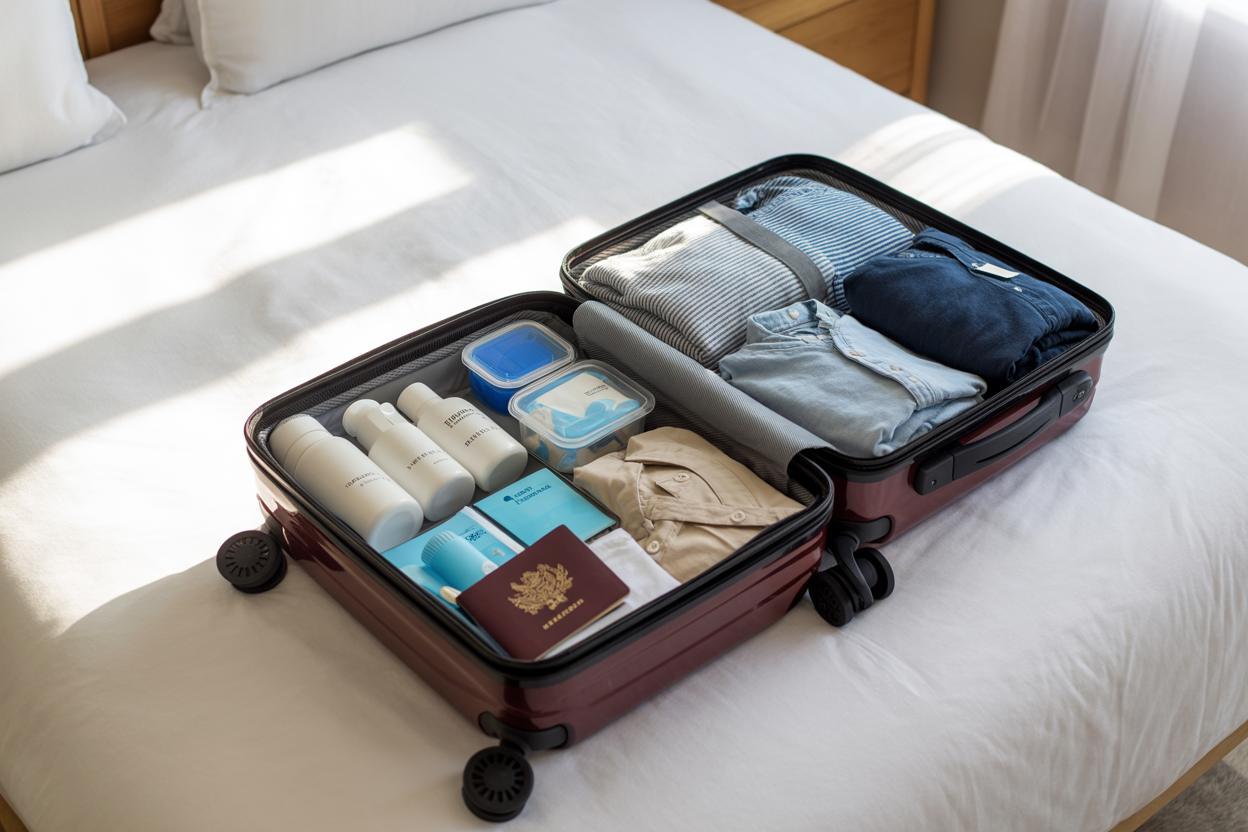
Packing cubes revolutionize how you organize and compress your belongings. These zippered fabric containers create designated spaces for different categories of items while compressing clothes to roughly half their normal volume. Roll your clothes tightly before placing them in cubes to maximize the compression effect.
Create a logical system: one cube for tops, another for bottoms, a smaller one for underwear and socks, and a separate mesh cube for dirty laundry. This organization means you can find specific items without unpacking your entire suitcase, and customs inspections become much less stressful.
The real magic happens when you choose cubes that fit your luggage dimensions perfectly. Measure your suitcase’s interior and buy cubes that use every inch of available space. Some travelers swear by compression cubes with double zippers that squeeze out even more air.
Pro packing cube strategies:
-
Use different colored cubes for each family member
-
Pack one complete outfit in each cube for easy access
-
Keep a small cube with essentials in your carry-on
-
Choose cubes with mesh tops to identify contents quickly
-
Pack cubes in reverse order – items you’ll need first go on top
Money-Saving Travel Hacks

Use fare comparison websites and flexible date searches
Smart travelers know that flight prices can swing wildly depending on when you book and when you fly. Start your search on comparison sites like Kayak, Skyscanner, or Google Flights to see pricing across multiple airlines at once. These platforms save you from clicking through dozens of airline websites individually.
The real magic happens when you use flexible date options. Instead of searching for specific dates, try the calendar view or flexible date ranges. Shifting your departure by just a day or two can sometimes save hundreds of dollars. Tuesday and Wednesday flights typically cost less than weekend travel, and red-eye flights often come with significant discounts.
Set up price alerts for your desired route so you’ll get notified when prices drop. Many comparison sites offer this feature free, and it’s especially helpful for trips you’re planning months ahead.
Take advantage of free walking tours and city passes
Most major cities offer free walking tours run by knowledgeable locals who work for tips. These tours provide excellent orientation to a new place while giving you insider knowledge about neighborhoods, history, and hidden gems you might miss otherwise. A $10-20 tip is customary and still costs far less than traditional guided tours.
City passes can deliver serious savings if you plan to visit multiple attractions. Research what’s included and calculate whether the pass price beats individual ticket costs. Many passes also include public transportation, which adds extra value. Some cities offer different pass lengths, so choose based on your actual itinerary rather than getting caught up in the “best deal” that doesn’t match your plans.
Eat like a local at markets and street vendors
Skip tourist-trap restaurants near major attractions where you’ll pay premium prices for mediocre food. Instead, head to local markets, food halls, and street vendors where residents actually eat. You’ll get authentic flavors at a fraction of restaurant prices.
Food markets often have multiple vendors under one roof, perfect for trying several local specialties without committing to a full meal at each place. Street food vendors near office buildings or residential areas typically offer better quality and prices than those in tourist zones.
Ask locals for recommendations or look for places with long lines of residents – they know where to find the best food at fair prices. Many cities have food tours that visit local markets, giving you cultural context along with great meals.
Book accommodations with kitchen access
Hotels with mini-fridges and restaurants for every meal quickly drain your travel budget. Booking accommodations with kitchen facilities – whether vacation rentals, hostels with shared kitchens, or extended-stay hotels – gives you control over food costs.
Shopping at local grocery stores becomes part of your cultural experience while keeping expenses reasonable. You can prepare simple breakfasts, pack lunch for day trips, and cook dinner after long sightseeing days. Even basic kitchen access for coffee, snacks, and light meals makes a noticeable difference in your overall spending.
Many vacation rental platforms now have specific filters for kitchen amenities, making it easy to find places with the cooking facilities you need.
Travel during shoulder seasons for better deals
Peak season means peak prices for everything from flights to hotels to attractions. Shoulder seasons – the periods just before and after peak times – offer the sweet spot of decent weather with significantly lower costs.
Spring and fall often provide comfortable temperatures without summer crowds or winter weather challenges. You’ll find better availability, shorter lines at popular sites, and locals who aren’t burned out from dealing with tourist rushes.
Research your destination’s climate and tourist patterns. Some places have multiple shoulder seasons, while others might have weather or cultural events that make certain “off-peak” times actually ideal for visiting. Beach destinations often have great shoulder season deals in late spring or early fall when the weather is still pleasant but school schedules keep families away.
Safety and Health Precautions
Purchase comprehensive travel insurance
Travel insurance isn’t just another expense to add to your trip budget—it’s your financial safety net when things go sideways. Medical emergencies abroad can cost tens of thousands of dollars, and without proper coverage, you could find yourself in serious debt or unable to receive adequate care.
Look for policies that cover medical expenses, emergency evacuation, trip cancellation, and lost luggage. Medical coverage should include at least $100,000 for emergencies, while evacuation coverage should start at $500,000 since air ambulances from remote locations can be extraordinarily expensive. Many standard health insurance plans don’t cover you internationally, making travel insurance essential.
Read the fine print carefully. Some policies exclude coverage for “risky” activities like skiing, scuba diving, or motorcycle riding. Others won’t cover pre-existing medical conditions unless you purchase coverage within a specific timeframe after booking your trip. Compare multiple providers and check reviews from actual travelers who’ve filed claims.
Annual multi-trip policies can be cost-effective for frequent travelers, while single-trip coverage works better for occasional vacations. Don’t rely solely on credit card travel benefits—these often have significant gaps in coverage and may not include medical expenses.
Stay aware of common scams in tourist areas
Tourist-heavy destinations are magnets for scammers who’ve perfected their craft on unsuspecting visitors. The “gold ring” scam in Paris, fake police checkpoints in Eastern Europe, and overcharging taxi drivers in major cities are just the tip of the iceberg.
Research destination-specific scams before you travel. Each location has its unique tricks—from the tea ceremony scam in China to the friendship bracelet hustle in European capitals. Online travel forums and recent traveler reviews often reveal the latest schemes circulating in popular destinations.
Trust your instincts when something feels off. Scammers often create artificial urgency or use high-pressure tactics to prevent you from thinking clearly. Anyone approaching you unsolicited on the street—especially near major attractions—should trigger your skeptical radar.
Keep your valuables secure and avoid displaying expensive electronics, jewelry, or large amounts of cash. Use hotel safes for important documents and consider carrying decoy wallets with small bills. When using ATMs, choose ones inside banks or well-lit, busy areas rather than isolated machines.
Keep emergency contacts and medical information accessible
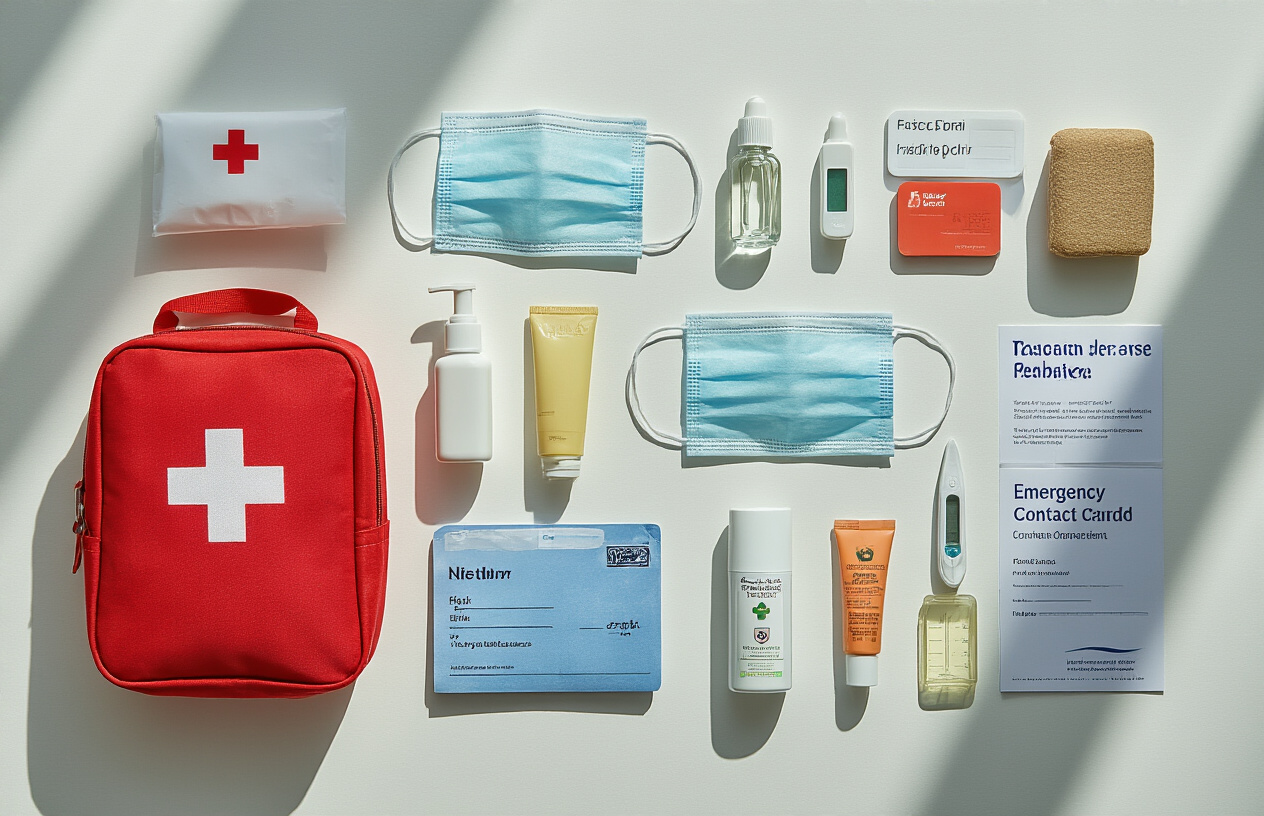
Your emergency information should be accessible even if your phone dies or gets stolen. Write down crucial contacts and medical details on paper and store copies in multiple locations—your luggage, wallet, and with a travel companion.
Create a comprehensive emergency contact list including family members, your primary doctor, travel insurance company, embassy or consulate numbers for your destination, and local emergency services. Include both phone numbers and email addresses when possible.
Document your medical information clearly: current medications with generic names (brand names vary by country), allergies, blood type, chronic conditions, and your doctor’s contact information. If you take prescription medications, carry a letter from your physician explaining your medical needs—this prevents issues at customs and helps foreign doctors understand your situation.
Consider using cloud storage for digital copies of important documents like passports, driver’s licenses, and insurance cards. Email yourself copies or use secure cloud services accessible from any internet connection. Some travelers photograph their documents and store them in password-protected photo albums on their phones.
Register with your embassy if traveling to high-risk destinations. Many countries offer traveler registration programs that help locate citizens during emergencies and provide important safety updates.


Planning ahead and packing smart can transform your travel experience from stressful to seamless. By researching your destination, creating detailed packing lists, and taking advantage of money-saving strategies like booking flights in advance or traveling during off-peak seasons, you’ll have more budget left for the experiences that matter. Don’t forget the basics either – keeping copies of important documents, staying connected with reliable communication apps, and prioritizing your health and safety will give you peace of mind throughout your journey.
The best trips happen when you’re prepared but still open to spontaneous adventures. Start implementing these strategies for your next getaway, and you’ll discover that good preparation doesn’t limit your freedom – it actually creates more opportunities to explore and enjoy every moment of your travels.
